

The first rule of an emergency? Always be prepared.
Whether you need an inspection, repair, or replacement for your current fire safety system, Boris Mechanical provides expert service to keep your building’s fire standpipe safe, compliant, and emergency-ready.
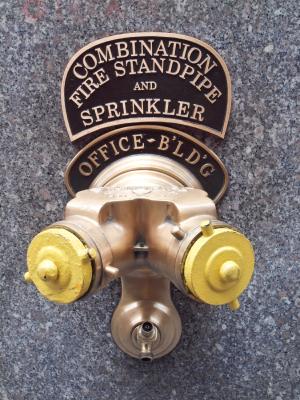
What Is a Fire Standpipe System?
Similar in function to a fire hydrant, a fire standpipe system is a fire safety system designed to provide rapid access to water in the event that a fire breaks out.
Standpipes are installed as standalone systems that act like building-specific fire hydrants, providing readily available fire protection for firefighters.
It is also possible to see fire standpipe systems bundled with sprinkler systems, providing automatic or manual sprinklers in addition to connection points for fire hoses.
Where Are These Systems Installed?
These fire protection systems are most commonly installed in tall, large, or highly specialized buildings, where a fire might cause damage or other serious problems. They can be implemented in other types of structures as well, including:
- Parking garages
- Shopping malls
- Industrial facilities
- Bridges
- Tunnels
- Construction sites
- And many more
Depending on the given location, common installation points include stairwells, exit passageways, building exteriors, and rooftops.
Are There Different Types of Standpipe Systems?
Yes. In NYC buildings, fire standpipe systems are typically designed as either dry or wet. The type installed depends on building height, use, heating conditions, and fire code requirements. Understanding the difference matters for inspection, maintenance, and FDNY compliance.
- Dry standpipe system: A series of pipes that bring water to various points in a building. Water is pumped in by firefighters. The pipes remain dry and empty until they are used during emergencies.
- Wet standpipe system: These are “charged,” meaning they are filled with pressurized water at all times.
Both standpipe system types must pass routine inspections to remain compliant with local NYC fire codes.
Why Is It Important to Have a Reliable Fire Standpipe System?
In addition to avoiding unnecessary hearings and costly penalties, having a fire standpipe system reduces liability in the event of a fire. Insurance companies usually offer a discount to buildings with fire protection measures (e.g., fire standpipes, sprinkler systems, smoke detectors, fire alarms).
The more fire detection and safety systems they have, the cheaper insurance will generally be. People are also rewarded for redundant fire protection systems. Insurance companies are usually happy to see backup measures in place, as proactivity reduces the risk of them having to pay out.
Understanding NYC Fire Standpipe Inspection Requirements

In New York City, a fire standpipe system isn’t something you install and forget about. It’s a life-saving system, and it must meet strict FDNY and NFPA 25 inspection standards. If it doesn’t, your building risks violations, fines, and serious liability.
Most buildings must complete an annual standpipe inspection to verify that hose valves, caps, gauges, and Fire Department Connections (FDCs) are in proper working condition. Even something as small as a missing cap or corroded valve can result in a failed inspection.
All inspections must be properly documented and compliant with NYC regulations. Missed paperwork or incomplete testing can delay sign-offs just as quickly as mechanical issues.
At Boris Mechanical, we handle the full process: inspection, testing, necessary repairs, and coordination for FDNY compliance. As licensed master plumbers, we ensure your fire standpipe system is up to code, properly documented, and ready when it’s needed most.
How To Get Your Fire Standpipe System Inspected and Maintained
Regular inspection and maintenance of your fire standpipe system are crucial to ensuring it functions correctly during an emergency. Here’s a step-by-step guide to help you navigate the process:
1. Find a Reliable Contractor
Keeping your fire standpipe ready for emergencies is extremely important. To safeguard your property and any people who regularly reside or work inside it, find a licensed contractor who knows exactly what NYC buildings need to pass inspection and stay protected. One team you can trust is Boris Mechanical. Call us today for expert fire standpipe services.
2. Schedule an Inspection
Contact us to set up an appointment. Describe any specific concerns you might have about your system. Regular inspections usually involve checking for blockages and leaks, verifying valve operation, and ensuring that all components meet local fire safety regulations.
3. Prioritize Routine Maintenance
Maintenance involves more than just inspections. Expect technicians to also clean, repair, and, in some cases, replace parts of your standpipe system. Agreements with your contractor for periodic maintenance checks can help keep everything in top condition year-round.
4. Understand the Process
During the inspection, technicians will assess all aspects of your fire standpipe system. They’ll look for signs of corrosion, test pressure levels, and ensure that all valves and pumps are fully operational.
After the inspection, they’ll provide you with a detailed report and recommendations for any necessary repairs or adjustments.
5. Hire Someone With Expertise in Compliance and Documentation
Ensure that the contractor you hire provides proper documentation of all inspections and maintenance activities. This can be critical for insurance purposes and regulatory compliance. Keep records organized and readily accessible in case of an inspection by fire safety officials.
Why Regular Inspections Matter
Regularly inspecting your fire standpipe system helps to:
- Ensure Safety: A well-maintained fire protection system can save lives and property in the event of a fire.
- Avoid Penalties: Non-compliance with local fire codes can result in hefty fines.
- Reduce Liability: Proper maintenance can help protect you from legal repercussions if a fire does occur.
By following these steps and partnering with a qualified contractor, you can ensure that your fire standpipe system remains in optimal condition, confidently protect your property, and maintain compliance with fire safety regulations.
Tests Are Required Every 3 to 5 Years for Fire Standpipe Systems
Maintaining the safety and efficiency of your fire standpipe system involves several critical tests at specific intervals. The inspection services needed every 3 to 5 years are as follows:
Every 3 to 5 Years
- Hose Testing: Ensure that the hoses undergo thorough testing within this timeframe to certify their reliability and functionality
Every 5 Years
- Pressure Control Valve Testing: A crucial test for pressure control valves to guarantee they are regulating pressure effectively
- Pressure Reducing Valve Testing: Employs rigorous testing to confirm that valves are reducing pressure to safe levels
- Hydrostatic Test: Checks for leaks and verifies the integrity of the standpipe system under pressure.
- Flow Test: Ensures that the water flow rate meets the necessary standards for emergency situations
- Main Drain Test: Measures the static and residual water pressure to confirm the system is performing optimally
Our Fire Standpipe Services at Boris Mechanical
From regular inspections to parts testing and repairs, our team at Boris Mechanical takes the headache out of compliance. Get quality service and peace of mind by hiring our technicians to evaluate your fire safety system. Call us when you need:
Quarterly Standpipe Inspections
Quarterly inspections are crucial to confirm that your fire standpipe systems are ready and reliable. Here’s what needs to be checked every three months:
- Pressure Regulating Devices: These devices must function correctly to maintain appropriate pressure levels throughout the system.
- Piping: Examine all piping for any signs of wear, corrosion, or damage that could impede water flow.
- Hose Connections: Inspect hose connections for leaks, blockages, and proper attachment to ensure they can be used effectively in an emergency.
Regular inspections help maintain the system’s readiness and compliance with safety standards and requirements.
Annual Standpipe Inspections
When it comes to maintaining dependable fire standpipe systems, several specific inspections are essential to confirm that everything is functioning correctly and safely. Here’s a detailed breakdown of what needs to be inspected each year:
- Cabinet Inspection: Inspect the cabinet housing the fire standpipe system for any signs of damage or obstruction.
- Hose Check: Examine the hose for wear, damage, and proper installation. Ensure the hose is coiled correctly and free of obstructions.
- Testing Devices: It’s important to double-check how each of these separate system parts functions.
- Alarm Device: Test the alarm system integrated with the fire standpipe to ensure it operates correctly and alerts people appropriately.
- Hose Nozzle: Check the hose nozzle for proper function and any signs of wear or damage.
- Hose Storage Device: Inspect and test the hose storage device, ensuring it securely holds the hose and allows for easy access during emergencies.
Performing these thorough inspections annually helps keep your standpipe system in optimal working condition, ready to protect lives and property in the event of an emergency.
Hydrostatic Testing
Hydrostatic testing verifies that your fire standpipe system can handle the required water pressure during an emergency. In many NYC buildings, this test is required every five years under NFPA 25 standards.
During testing, the system is pressurized to confirm there are no leaks, weak joints, or pressure loss. If the standpipe cannot maintain the required pressure, repairs must be made before the system can pass inspection.
Boris Mechanical performs hydrostatic testing safely, efficiently, and with full documentation to meet FDNY requirements.
Standpipe Repairs
If your fire standpipe system fails inspection, the issue must be corrected quickly. Common problems include:
- Corroded Piping
- Damaged Hose Valves
- Pressure Deficiencies
- Compromised Fire Department Connections
Our team identifies the root cause, completes code-compliant repairs, and ensures the system is restored to proper working condition.
Violation Removal & FDNY Sign-Off
An FDNY violation requires documented corrective action and proper sign-off. As compliance and fire safety system experts, Boris Mechanical takes care of repairs, inspection coordination, and required paperwork.
We work directly with inspectors to verify that your fire standpipesystem meets compliance standards and violations are cleared efficiently.
Frequently Asked Questions About Fire Protection Systems
Who is qualified to inspect a fire standpipe system?
In NYC, fire standpipe inspections must be performed by qualified professionals in accordance with NFPA 25 and FDNY regulations. That typically means a licensed Master Plumber or properly certified fire protection technician. Inspections must also be documented correctly to meet compliance standards.
What happens if my standpipe fails inspection?
If your fire standpipe system fails, the FDNY can issue a violation requiring corrective repairs. Deficiencies must be fixed promptly and may require re-testing before sign-off. Unresolved failures can lead to fines and increased liability exposure.
What is the difference between a fire sprinkler system and a fire standpipe?
A sprinkler system activates automatically to suppress a fire. A fire standpipe system allows firefighters to connect hoses on upper floors and manually deliver water. Most NYC high-rises use both as part of their comprehensive fire protection system.
Trusted Fire Standpipe Experts for NYC Buildings
If you manage a residential or commercial building in Manhattan, Brooklyn, Queens, or the Bronx, your fire standpipe system must meet strict FDNY standards. There’s no room for delays, failed inspections, or paperwork errors.
We work with property managers, co-op and condo boards, commercial landlords, and building owners who need inspections done correctly and violations cleared quickly.
Boris Mechanical is led by Licensed Master Plumbers (LMP #2356) with deep experience in NYC fire code compliance. We handle standpipe inspections, hydrostatic testing, repairs, and FDNY sign-offs from start to finish. With us, you get one contractor and full accountability every time.
If your fire standpipe system is due for inspection, or if you’ve already received a violation notice, don’t wait.
Call Boris Mechanical today and schedule your fire standpipe service with a team that knows NYC codes and gets it done right.